
What are tax-free savings accounts in the UK?
Tax-free savings accounts, primarily through Individual Savings Accounts (ISAs), let UK residents save or invest up to £20,000 annually without paying tax on interest, dividends or capital gains in 2025. These accounts protect your earnings from HMRC’s reach, maximising returns especially as interest rates hover around 4-5%. Unlike regular savings where interest over your personal savings allowance (PSA) gets taxed, ISAs offer complete tax exemption.
Standard taxable savings deduct 20% basic rate, 40% higher rate or 45% additional rate on excess interest. With a tax-free ISA, every penny of growth stays yours, ideal for building wealth without HMRC cuts. For 2025/26, eligibility requires UK residency and being 18 or over; non-residents or those under 18 have limited options.
Types of tax-free savings options
Cash ISAs provide guaranteed tax-free interest, perfect for low-risk savers seeking stability in 2025’s volatile economy.
Cash ISAs
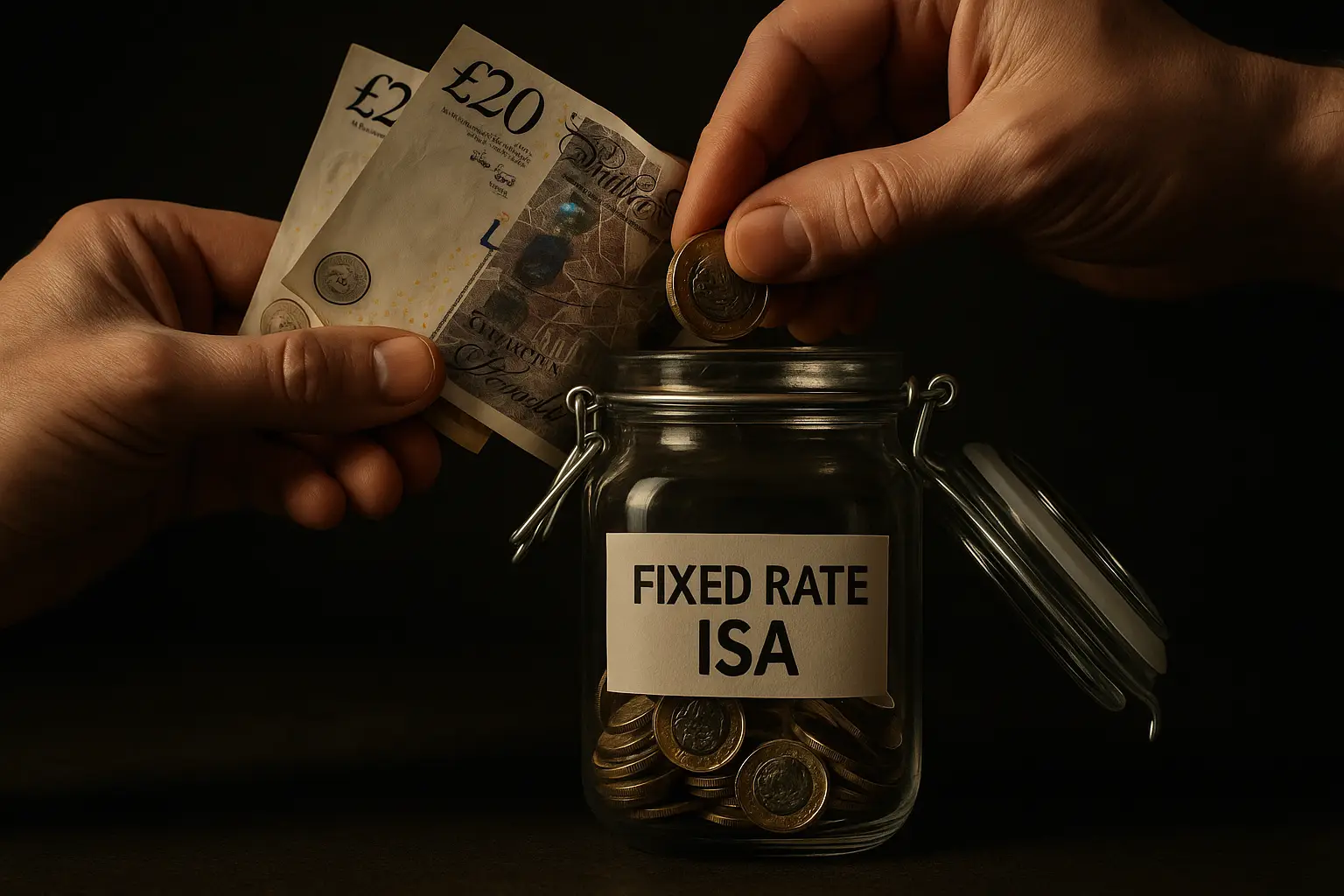
These mimic regular savings but shield interest from tax. Top easy-access cash ISAs yield up to 4.5% AER (annual equivalent rate, a standard measure of interest over a year) as of October 2025. Fixed-rate versions lock funds for higher returns, like 4.55%, but penalise early withdrawals.
Stocks and shares ISAs
For growth-focused savers, these allow tax-free investing in shares, funds or bonds. Returns vary but average 7% historically, far outpacing cash. Risks include market dips, so diversify to manage volatility.
Lifetime ISAs
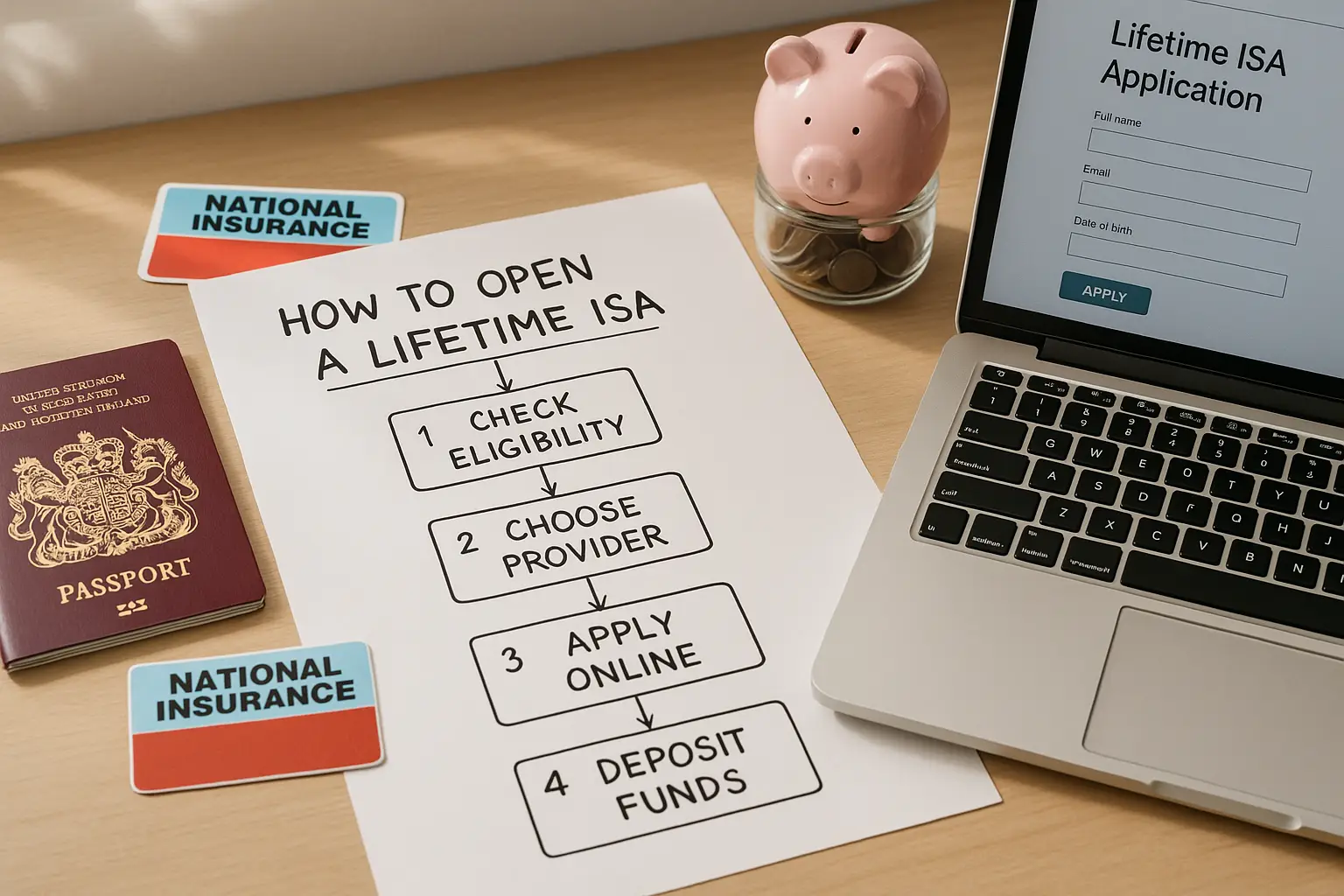
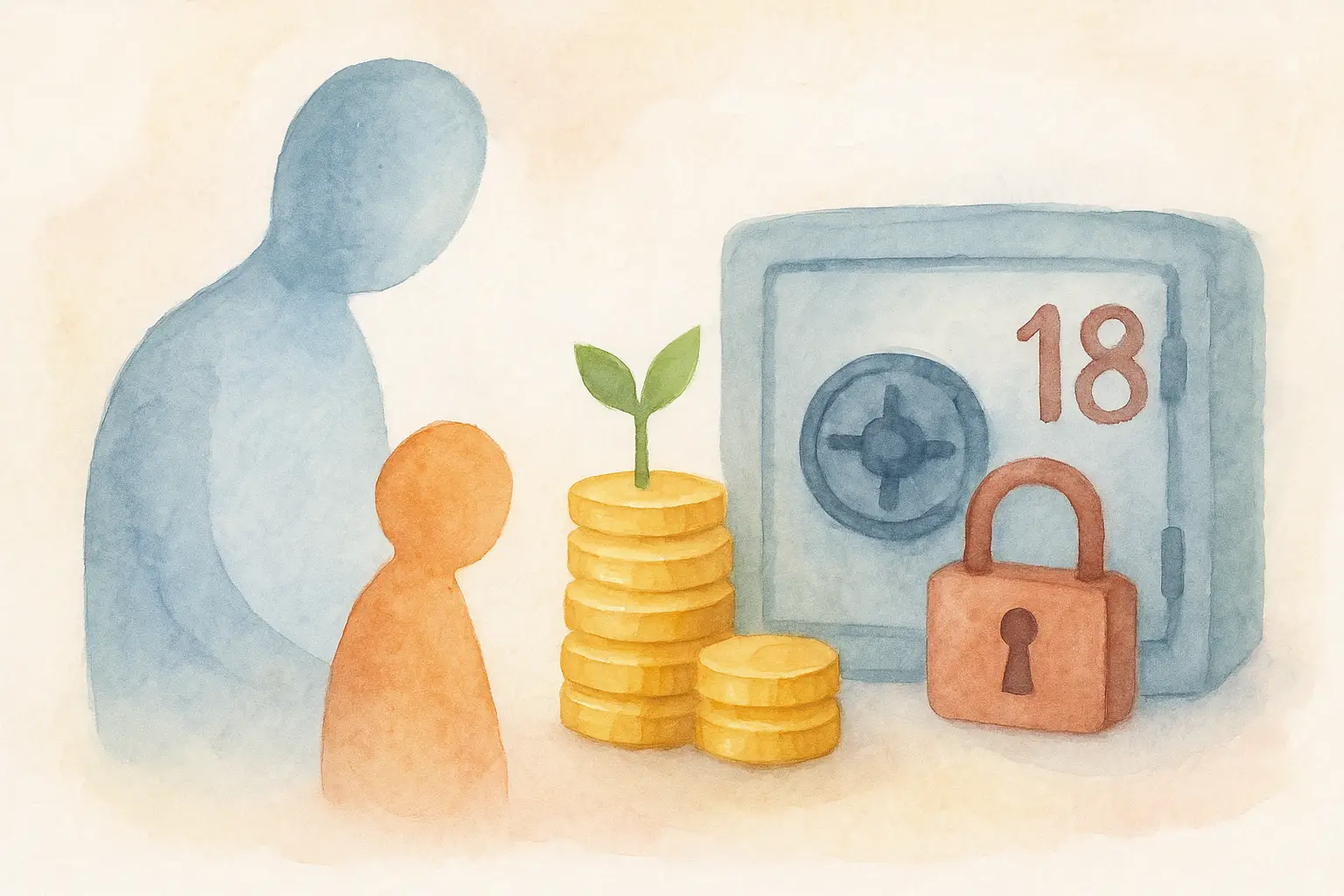
Aimed at under-40s saving for homes or retirement, contribute up to £4,000 yearly with a 25% government bonus—tax-free. Withdrawals for eligible purposes avoid penalties; otherwise, a 25% charge applies.
Premium bonds
NS&I’s lottery-style savings offer tax-free prizes instead of interest, with an average 4.4% return in 2025. No risk to capital, but prizes are chance-based—are premium bonds tax free? Yes, fully backed by government.
Personal savings allowance explained
The PSA lets you earn up to £1,000 in savings interest tax-free if you’re a basic-rate taxpayer, £500 for higher-rate, and nothing for additional-rate in 2025/26—frozen until 2028 per GOV.UK.
How much interest is tax-free by tax band
Basic-rate (income £12,571-£50,270): £1,000 tax-free. Higher-rate (£50,271-£125,140): £500. Additional-rate (over £125,140): £0. Use this to calculate: if your non-savings income uses your full personal allowance, add PSA on top.
| Tax band | Income threshold | PSA amount |
|---|---|---|
| Basic rate | £12,571 – £50,270 | £1,000 |
| Higher rate | £50,271 – £125,140 | £500 |
| Additional rate | Over £125,140 | £0 |
Starting rate for low earners
If your total income is below £18,570, enjoy a 0% starting rate on up to £5,000 in savings interest—how much interest can I earn tax free? Combine with PSA for even more. This targets low earners, but overlaps reduce benefits if non-savings income exceeds the personal allowance.
2025 thresholds
No changes from 2024/25; personal allowance stays £12,570, tax-free allowance UK rules frozen. Check HMRC for updates, as fiscal events could shift things.
Maximising your tax-free savings in 2025
Use your full £20,000 tax-free ISA allowance across types for optimal growth—contribute early to capture higher rates.
ISA contribution limits
£20,000 total per tax year (6 April 2025-5 April 2026), split as needed. Unused allowance doesn’t roll over, so plan ahead. For tax-free savings allowance, layer PSA underneath for hybrid protection.
Best rates and providers
- Easy-access cash ISAs: Up to 4.5% AER from providers like Chase or Plum.
- Fixed ISAs: 4.55% for one year via Shawbrook Bank.
- Compare via MoneySavingExpert’s best interest rates guide for latest deals.
To find the best savings account, factor in FSCS protection (£85,000 per institution). For types, explore a savings account overview.
Combining allowances
ISA + PSA: Put high-interest savings in ISA first, then use PSA for overflow. Low earners max starting rate. UK households added £103bn to ISAs in 2023-24 amid cut fears, per The Guardian—act now before potential 2025 tweaks.
Common pitfalls and tips
Exceeding limits triggers tax; always track contributions via HMRC apps.
Tax implications if exceeded
Over ISA allowance? Excess interest taxed at your rate. PSA breach means 20-45% on surplus—report via self-assessment. How much savings interest is tax free? Only within limits; use calculators on MoneySavingExpert.
Updates from HMRC
Monitor GOV.UK for Budget changes; 2025/26 rules mirror prior years but could evolve. Link to GOV.UK’s tax on savings guide for official info.
Professional advice
This isn’t financial advice—consult an advisor for personalised plans, especially with complex incomes.
Frequently asked questions
How much can I save tax-free in the UK?
In 2025, the tax-free ISA allowance is £20,000, covering interest, dividends and gains without HMRC tax. Beyond ISAs, the PSA adds £1,000 tax-free interest for basic-rate taxpayers on non-ISA savings. Low earners under £18,570 total income can claim up to £5,000 more via the starting rate, making tax-free savings accessible for beginners building emergency funds.
What is the personal savings allowance?
The PSA is HMRC’s tax break allowing £1,000 interest tax-free for basic-rate payers, £500 for higher-rate and £0 for additional-rate in 2025/26. It applies automatically to non-ISA savings, reducing your tax bill on modest interest. Experts use it alongside ISAs to shield more earnings, but track via tax code to avoid surprises—check eligibility on official sites for precise calculations.
Are ISAs completely tax-free?
Yes, all UK ISAs are fully tax-free on growth within limits, including cash, stocks and shares types for 2025. No capital gains or dividend tax applies, unlike taxable accounts where 20%+ bites. However, withdrawals are tax-free too, but Lifetime ISAs penalise non-qualifying uses—ideal for long-term tax-free savings strategies.
How does the starting rate for savings work?
If non-savings income is below £12,570 personal allowance, the next £5,000 of savings interest is taxed at 0% in 2025. This starting rate phases out as income rises to £17,570, benefiting low earners most. Combine with PSA for up to £6,000 tax-free interest; use online tools to model your scenario and maximise returns without advanced planning.
What are the best tax-free savings accounts for 2025?
Top picks include easy-access cash ISAs at 4.5% AER from digital banks like Cynergy, or fixed at 4.55% from Shawbrook for locked savers. Premium bonds offer variable tax-free prizes averaging 4.4%, risk-free. Compare rates monthly as they fluctuate; for investors, stocks and shares ISAs via platforms like Vanguard provide diversified growth—always verify FSCS cover.
How much interest is tax free in 2025?
Basic-rate taxpayers get £1,000 tax-free via PSA, plus unlimited in ISAs up to £20,000 contributed. Higher earners £500 PSA, low incomes up to £5,000 starting rate. Thresholds remain frozen; calculate based on your band—e.g., £25,000 at 4% yields £1,000 interest, all tax-free for basics. Advanced users layer options to exceed PSA limits seamlessly.
Are premium bonds tax free?
Yes, all prizes from premium bonds are completely tax-free, as they’re government-backed via NS&I. With no capital risk and 4.4% average return in 2025, they’re a fun tax-free alternative to interest-bearing accounts. Odds depend on holdings, but suit conservative savers avoiding market risks—redeem anytime without penalty.