
Understanding fixed rate cash ISAs
Fixed rate cash ISAs offer a guaranteed interest rate over a set period, making them ideal for savers seeking stability in uncertain economic times. These tax-free savings accounts lock your money for terms like one to five years, shielding earnings from income tax. For UK residents looking for top fixed rate cash ISA providers, understanding the basics helps avoid common pitfalls like early withdrawal penalties.
Definition and benefits
A fixed rate cash ISA is a type of Individual Savings Account where the interest rate stays constant throughout the term, providing predictability. Benefits include tax-free growth on interest, which can add up significantly over time, and protection from rate drops if the Bank of England base rate falls. Unlike variable options, they suit those planning for short-term goals without needing quick access to funds. This stability appeals to middle-income savers aged 25-60 aiming to maximise returns securely.
How rates are calculated
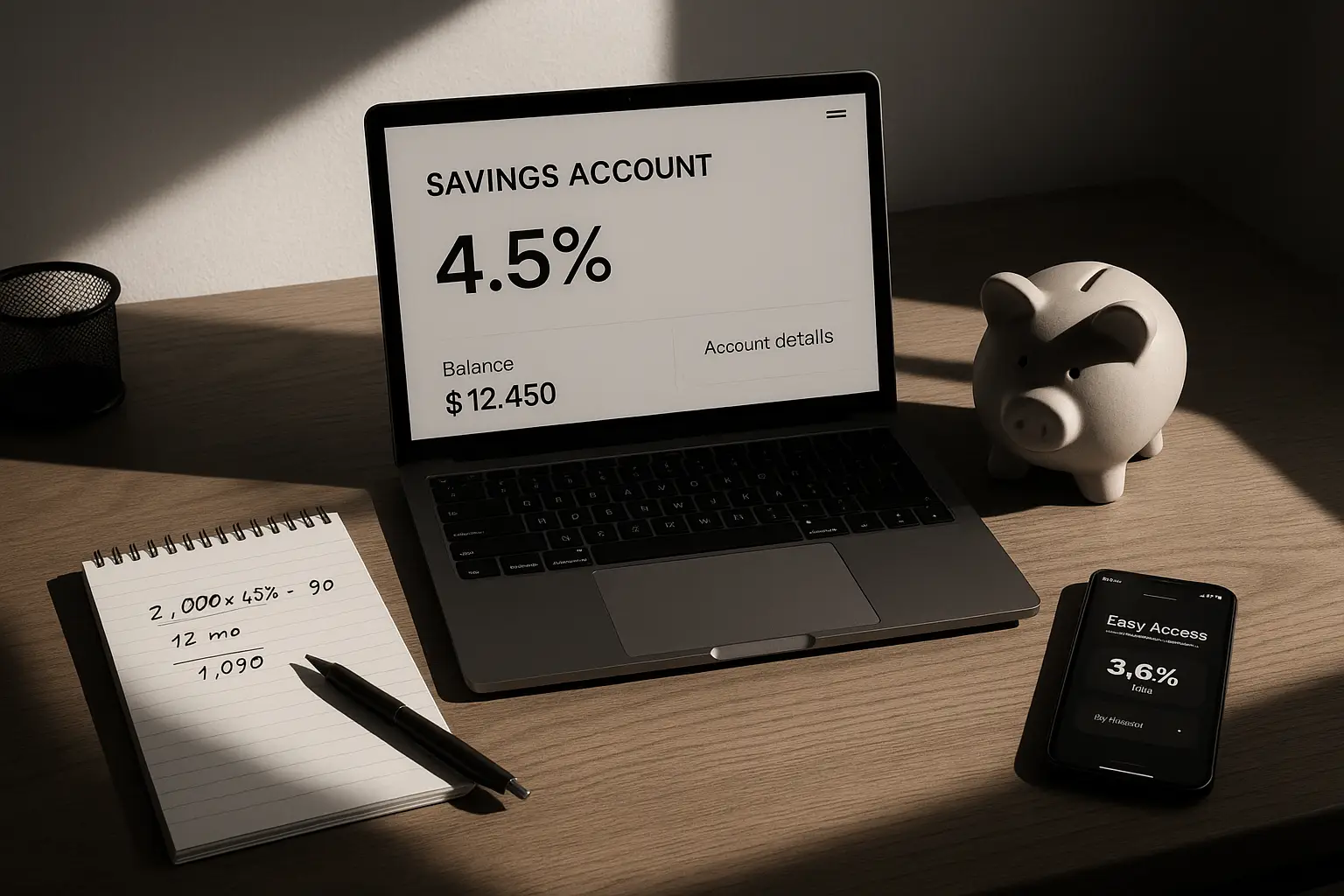
Interest in fixed rate cash ISAs is typically quoted as AER (Annual Equivalent Rate), which shows the effective yearly return accounting for compounding. For example, a 4% AER on £10,000 over one year yields £400 tax-free, calculated daily or monthly depending on the provider. Factors like term length influence rates—shorter terms often pay higher percentages to attract deposits. Always check the AER against simple rates to compare apples with apples among top cash ISA rates UK.
Tax advantages and limits
Cash ISAs allow up to £20,000 annual tax-free savings, as confirmed by HMRC for the 2025/26 tax year (source: MoneySavingExpert). Interest earned is exempt from UK income tax, benefiting higher-rate taxpayers most. Fixed rate versions maintain this perk while locking in returns, but exceeding the allowance risks penalties. For details on rules, visit the official HMRC guidance.
Top providers and current rates
In 2025, top fixed rate cash ISA providers offer competitive AERs up to 4.27% for one-year terms, driven by recent Bank of England decisions. New entrants like Investec have shaken up the market, providing fresh options for savers. Focus on providers with FSCS protection up to £85,000 to ensure safety.
1-year fixed options
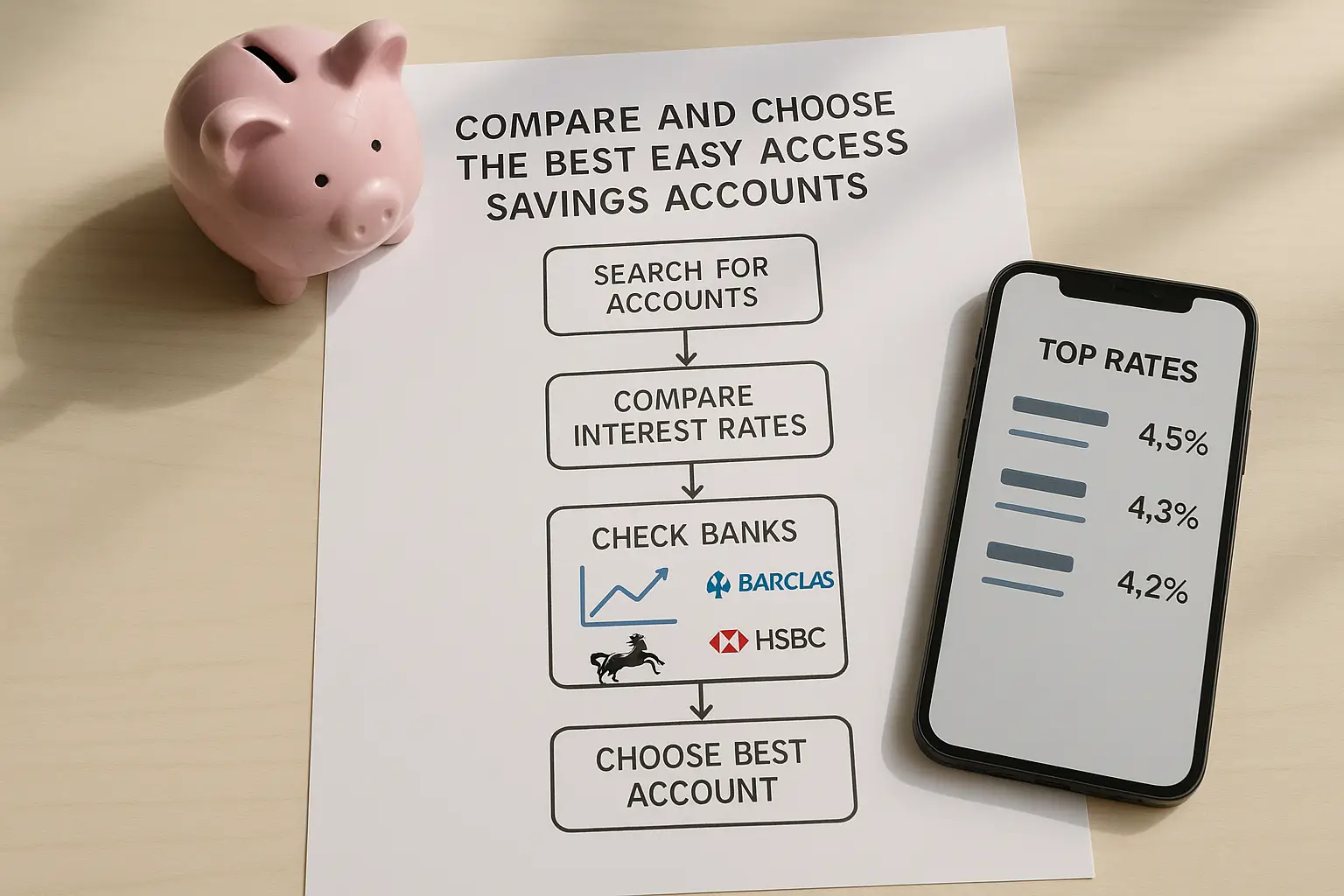
Short-term fixed rate ISAs shine in 2025 with rates around 4.2-4.27% AER. NatWest’s 4.2% AER one-year ISA, launched in October 2025, targets new customers but includes postcode restrictions in some regions (source: This is Money). Investec’s re-entry at 4.25% AER requires a £5,000 minimum deposit, appealing to larger savers (source: MoneyWeek). These beat the average 3.8% AER across major providers.
Longer-term rates (2-5 years)
For commitments beyond one year, rates dip slightly but offer security against future cuts. A two-year fixed rate ISA might yield 4.0% AER from building societies like Leeds, while five-year options hover at 3.5-3.8% AER. Longer terms suit retirement planning, especially for over-50s seeking stable income. Compare via sites like Moneyfactscompare for daily updates.
Comparison table
| Provider | Rate (AER) | Term | Min Deposit | FSCS Protected |
|---|---|---|---|---|
| NatWest | 4.2% | 1 year | £1 | Yes |
| Investec | 4.25% | 1 year | £5,000 | Yes |
| Leeds Building Society | 4.0% | 2 years | £100 | Yes |
| Top Market Rate | 4.27% | 1 year | Varies | Yes |
This table highlights best fixed rate cash ISA 2025 options; rates as of October 2025 from Moneyfactscompare.
Provider reviews and key features
Reviews of cash ISA providers in 2025 emphasise ease of access, customer service, and hidden fees. Building societies often score higher for personal touch, while banks excel in online tools.
NatWest and Investec spotlight
NatWest earns praise for its app-based management but faces criticism over regional eligibility for its 4.2% ISA. Trustpilot ratings average 4.1/5, with users noting quick setup but postcode barriers. Investec, new to ISAs after 20 years, offers 4.25% AER with robust online platforms, though higher minimums limit accessibility; early reviews highlight competitive rates for affluent savers.
Building societies vs banks
Building societies like Yorkshire (via YBS) provide community-focused service and branch access, often with lower minimums. Banks such as HSBC (rates via Taxyz) prioritise digital efficiency but may charge for early exits. For fixed rate ISA comparison, societies edge out on customer satisfaction per 2025 reviews.
Customer ratings and fees
Aggregate ratings from Trustpilot show top providers averaging 4.0-4.5 stars, with complaints mainly on withdrawal penalties (up to 150 days’ interest lost). Few charge account fees, but check for transfer costs. For over-50s, options like those from Virgin Money (TemboMoney) include flexible terms without extra costs.
How to choose and apply
Select based on your risk tolerance and access needs; start with eligibility to avoid rejection. Trends show rising rates post-October 2025 BoE hold.
Eligibility checks
You must be a UK resident aged 18+ with no prior ISA breaches. Postcode or existing customer status affects offers like NatWest’s. Verify via provider sites or FSCS for protection up to £85,000.
Transferring existing ISAs
Yes, you can transfer cash ISAs to fixed rate versions without losing tax-free status, up to your £20,000 allowance. Providers handle it free if done correctly, but shop for better rates first. For guidance on how to open fixed rate isa, follow HMRC steps.
2025 market trends
Fixed rate ISA interest rates 2025 average 3.8% but top at 4.27%, influenced by stable BoE policy. New cash ISA providers like Investec boost competition, potentially lifting yields. Watch for Q4 cuts if inflation eases.
For a deeper dive, explore best fixed rate isa options on our pillar page.
Pros, cons, and alternatives
Fixed rate cash ISAs pros include guaranteed returns and tax savings, but cons involve illiquidity. Alternatives like variable ISAs offer flexibility.
Risks of fixed rates
Main risk: Inflation outpacing AER, eroding real value, plus penalties for early access (90-365 days’ interest). Base rate rises post-lock-in mean missed opportunities. Mitigate by choosing shorter terms.
Variable vs fixed comparison
Fixed guarantees stability, ideal for conservative savers, while variables track BoE changes for potential higher yields but volatility. In 2025, fixed edges out amid uncertain rates. See our comparison in fixed rate isa vs variable.
Non-ISA options
Personal savings accounts offer similar rates without tax limits but taxable interest. For larger sums over £20,000, consider bonds. Always prioritise FSCS protection.
Check current fixed rate isa rates for updates.
Frequently asked questions
What is the best fixed rate cash ISA right now?
The highest fixed rate cash ISA in 2025 offers 4.27% AER for a one-year term, available from select providers scanned daily by Moneyfactscompare. This tops competitors like NatWest’s 4.2% but may vary by eligibility. For personalised fits, compare terms and minimums to ensure it aligns with your savings goals and access needs.
How do fixed rate ISAs work?
Fixed rate ISAs lock your money for a set period at a guaranteed AER, earning tax-free interest compounded periodically. You deposit up to £20,000 yearly, and providers credit interest at maturity or annually. Early withdrawals incur penalties, making them suitable for funds you won’t need soon; always review terms to avoid surprises.
Can I transfer my cash ISA?
Yes, transferring a cash ISA to a fixed rate version preserves tax-free status and can boost earnings if rates are higher. The process is free if initiated by the receiving provider, taking up to 30 days. However, check for penalties on the old account and ensure the new one fits your timeline; HMRC allows multiple transfers yearly within limits.
What are the tax benefits of a cash ISA?
Cash ISAs shield interest from UK income tax, potentially saving basic-rate taxpayers 20% and higher-rate 40% on earnings. With £20,000 allowance, a 4% AER on maximum deposit yields £800 tax-free annually. This benefits all brackets but maximises for those in higher taxes; fixed rates enhance this by guaranteeing the sheltered growth over time.
Which providers offer the highest fixed rates in 2025?
Top fixed rate cash ISA providers like those featured on Moneyfactscompare deliver up to 4.27% AER, with Investec at 4.25% and NatWest at 4.2%. Building societies often compete closely for longer terms. Expert strategy: Ladder deposits across terms to balance liquidity and returns, monitoring BoE impacts for adjustments.
What are the pros and cons of fixed rate cash ISAs?
Pros include predictable tax-free returns and protection from rate falls, ideal for risk-averse savers in volatile 2025 markets. Cons involve penalties for early access and opportunity costs if rates rise. Weigh against needs: For emergencies, pair with an easy-access account; advanced users diversify to hedge inflation risks effectively.
Are fixed rate ISAs safe for over-50s?
Fixed rate ISAs are safe with FSCS coverage up to £85,000 per person, shielding against provider failure. For over-50s, they provide reliable income streams towards retirement, often with senior-friendly minimums. Risks like inflation apply universally, so compare options tailored for demographics via reviews; consult eligibility to maximise security and yields.