
What is a Cash ISA?
A Cash ISA, or Individual Savings Account, is a tax-free savings account available to UK residents that lets you earn interest without paying income tax on it. If you’re wondering what is a Cash ISA, it’s essentially a way to protect your savings from HMRC’s tax rules on interest earned. Unlike regular savings accounts, where interest over £1,000 for basic rate taxpayers becomes taxable, a Cash ISA keeps all growth sheltered, making it ideal for building wealth securely.
Definition and basics
At its core, a Cash ISA is a low-risk savings vehicle where your money grows through interest, all tax-free. The term “Cash ISA” specifically refers to the cash-based version of ISAs, distinct from stocks and shares ISAs which involve investments. Introduced in 1999, these accounts help everyday savers like you avoid the 20% basic rate tax on interest, potentially saving hundreds annually as your pot grows.
How it differs from regular savings
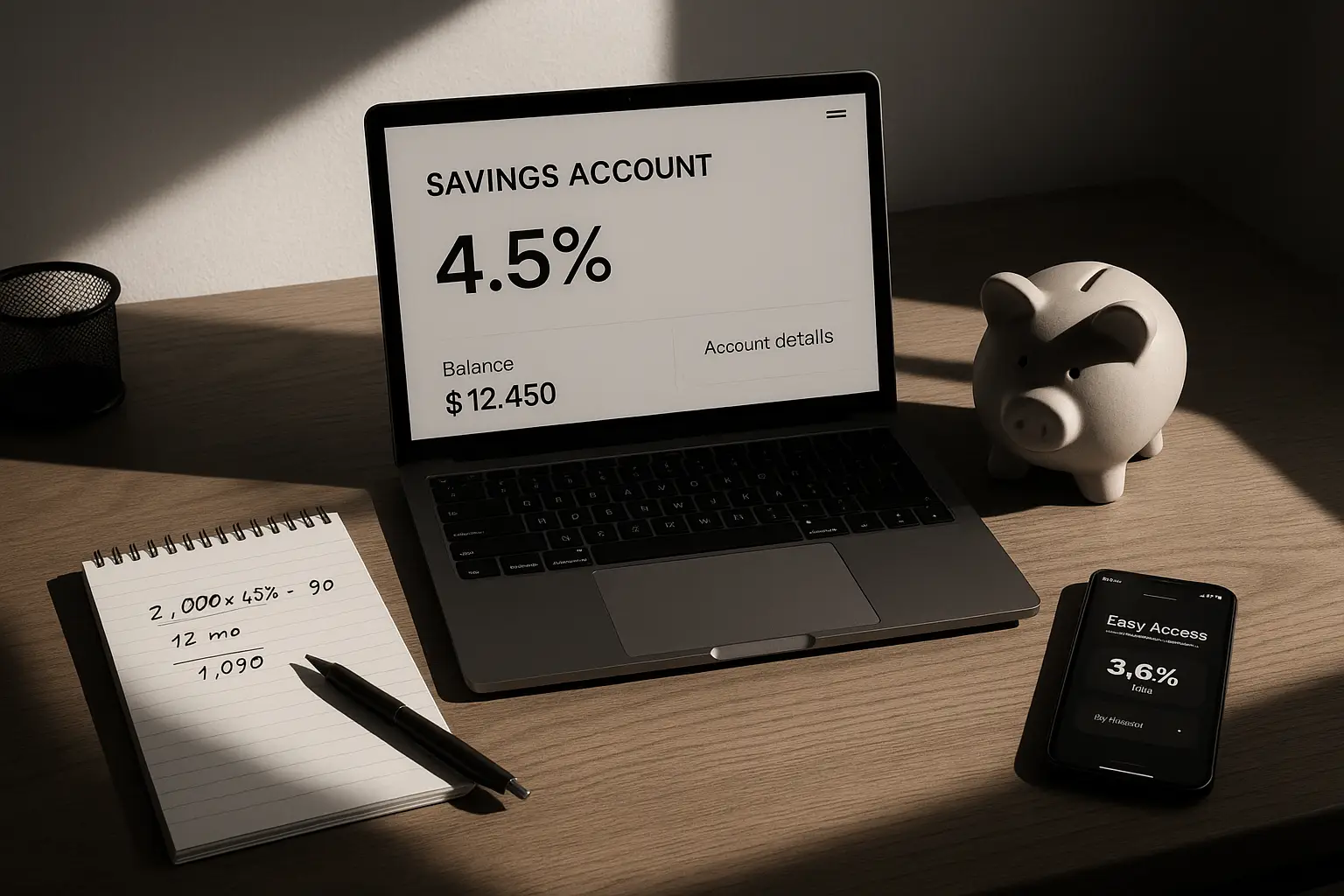
What is a Cash ISA vs savings account? The main difference lies in taxation: regular savings accounts fall under the Personal Savings Allowance, taxing interest above £1,000 for basic rate taxpayers, while Cash ISAs offer unlimited tax-free interest. For example, on £10,000 at 4% interest, you’d earn £400 tax-free in a Cash ISA, but in a regular account, a higher rate taxpayer might lose £200 to tax. This makes Cash ISAs smarter for larger sums or longer terms.
Eligibility requirements
To open what is a Cash ISA account, you must be a UK resident aged 18 or over. Non-residents or those under 18 can’t subscribe directly, though parents can open Junior ISAs for children. Crown employees abroad may qualify, but always check with providers. This setup ensures the tax benefits target UK taxpayers effectively.
Types of Cash ISAs
Cash ISAs come in various forms to suit different needs, from instant access to locked-in rates. Understanding what is a fixed rate Cash ISA or what is a flexible Cash ISA helps you pick the right one for your goals.
Easy access vs fixed rate
Easy access Cash ISAs let you withdraw anytime without penalty, ideal for emergency funds, though rates are variable and can drop. Fixed rate versions, like what is a fixed Cash ISA, lock your money for 1-5 years at a guaranteed rate, such as 4.27% AER for one year, suiting those who won’t need the cash soon.
Flexible ISAs
What is a flexible Cash ISA? It’s a type allowing withdrawals and replacements within the same tax year without affecting your £20,000 allowance. This flexibility is great if you dip into savings unexpectedly but want to top up later, unlike non-flexible ones where withdrawals reduce your contribution room.
Special types: Junior and Lifetime ISAs
For kids, what is a Junior Cash ISA offers a £9,000 annual allowance, tax-free until age 18. What is a Cash Lifetime ISA targets 18-39 year olds saving for a first home or retirement, with a £4,000 limit and government 25% bonus, up to £1,000 yearly—perfect for long-term goals but with withdrawal penalties before age 60.
| Type | Access | Rate stability | Withdrawal rules |
|---|---|---|---|
| Easy access | Instant | Variable (e.g., 4.51% AER) | No penalty |
| Fixed rate | Limited | Fixed (e.g., 4.27% for 1 year) | Penalties apply |
| Flexible | With replacement | Variable or fixed | Replacements allowed same year |
How Does a Cash ISA Work?
Opening and managing a Cash ISA is straightforward, designed for accessibility. What is a Cash ISA and how does it work? You deposit money, earn interest tax-free, and HMRC doesn’t touch it.
Opening an account
Choose a provider like NatWest or Trading 212, then apply online or in-branch with ID proof. What is a Cash ISA NatWest? It’s their version offering competitive rates. Transfers from existing ISAs are penalty-free, preserving your allowance. Providers handle the ISA roll number for HMRC tracking.
Depositing and withdrawing funds
Deposits can be lump sums or monthly, up to your allowance. Withdrawals vary by type: easy access allows anytime, while fixed may penalise early exits. What is a Cash ISA vs stocks and shares ISA? Cash focuses on stability, not growth potential.
Tax treatment and roll numbers
Interest compounds tax-free, reported via your ISA roll number to HMRC. No self-assessment needed for gains. For details, see GOV.UK’s guide on how ISAs work.
Cash ISA Limits and Allowances
The key limit is the annual ISA allowance, shared across all ISAs.
Annual contribution limit
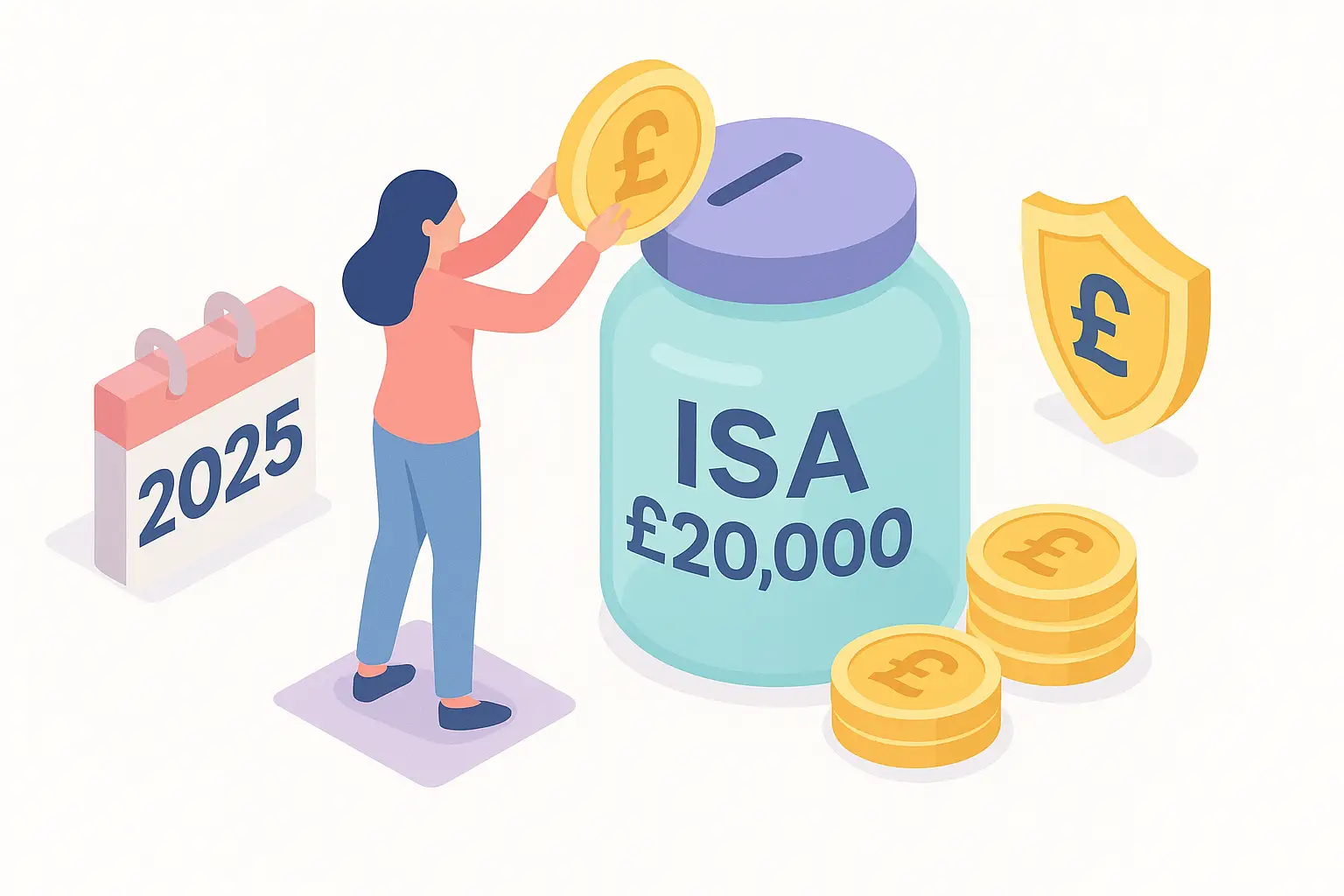
What is the limit on a Cash ISA? For 2025/26, it’s £20,000 total across all ISAs, per GOV.UK. You can split it, e.g., £10,000 in Cash ISA.
Total holdings rules
No cap on total value once subscribed, but unused allowance doesn’t carry over except in special cases. What is the maximum you can have in a Cash ISA? Unlimited lifetime, just annual adds count.
Tax year deadlines
The UK tax year runs 6 April to 5 April. Subscribe before 5 April 2026 for 2025/26. Around 15 million subscribed in 2023/24, per GOV.UK statistics.
Benefits of a Cash ISA
The primary perk is tax efficiency, boosting net returns.
Tax-free interest advantages
What is the benefit of a Cash ISA? Basic rate taxpayers save up to £1,000 tax yearly, per MoneyHelper. For £20,000 at 4%, that’s £800 interest, all yours.
Current interest rates overview
What is the interest rate on a Cash ISA? Top easy access hits 4.51% AER in October 2025, fixed up to 4.27%, via MoneySavingExpert. Check best cash isa rates for updates.
When it’s most useful
Ideal if you earn over the allowance in taxable savings or seek security. What is the point of a Cash ISA? It maximises returns hassle-free.
Potential Drawbacks and Considerations
While beneficial, Cash ISAs aren’t perfect.
Rate risks
Variable rates can fall with Bank of England cuts, unlike fixed. Inflation may outpace low rates.
Recent policy discussions
Proposals to cut allowances to £10,000 circulate in 2025, but £20,000 holds, per media reports. Monitor Be Clever With Your Cash.
Next steps for beginners
Compare providers, start small, and remember this isn’t personal advice—consult a professional.
Frequently asked questions
What is a Cash ISA and how does it work?
A Cash ISA is a tax-free savings account where you deposit money and earn interest without paying tax on the gains. It works by shielding your interest from income tax, with providers handling HMRC reporting via a unique roll number. For beginners, it’s a simple way to save up to £20,000 yearly, with options for easy or fixed access to match your liquidity needs. This structure encourages long-term saving while keeping funds accessible.
What are the different types of Cash ISAs?
Cash ISAs include easy access for flexible withdrawals, fixed rate for guaranteed returns over terms like one year, and flexible ones allowing replacements. Special variants like Junior for children under 18 and Lifetime for homebuyers add bonuses. Each suits different savers: easy for emergencies, fixed for commitment. Exploring these helps avoid mismatches in access or rates.
What is the annual ISA allowance for 2025/26?
The allowance is £20,000 for all ISAs combined in 2025/26, from 6 April 2025 to 5 April 2026. This covers Cash, stocks and shares, and others, but Junior and Lifetime have separate limits. Exceeding it means excess funds are taxed as regular savings. Planning contributions early maximises tax-free growth.
Can I withdraw money from a Cash ISA?
Yes, but rules vary: easy access allows anytime without penalty, while fixed may charge 90-180 days’ interest. Flexible ISAs let you replace withdrawn funds same year without using allowance. Withdrawals don’t trigger tax, but consider opportunity costs. Strategies include laddering fixed terms for balanced access.
What is a good Cash ISA rate?
A good rate exceeds inflation, currently around 4% AER, with top easy access at 4.51% in 2025. For fixed, 4.27% for one year beats many savings accounts post-tax. Compare AER for fairness, but weigh against access needs. Experts recommend shopping annually for competitive edges without overcommitting.
What happens if I exceed the ISA allowance?
Excess deposits become taxable as regular savings, losing tax shield. HMRC may void the entire subscription if unauthorised, requiring provider correction. To avoid, track contributions meticulously across ISAs. Advanced users transfer or withdraw excess promptly, but beginners should use calculators for precision.