

What is a Junior ISA?
A Junior ISA, often called a JISA, is a tax-free savings or investment account designed for children under 18 in the UK. It allows parents or guardians to save money for their child’s future, such as for education or a first home, without paying tax on the interest or growth. Unlike regular savings accounts, the funds grow sheltered from income tax and capital gains tax, making it a smart way to build wealth over time.
Definition and purpose
At its core, what is a Junior ISA? It’s a long-term savings vehicle introduced in 2011 to replace Child Trust Funds, helping families put money aside for kids. The purpose is straightforward: to give children a financial head start by letting savings compound tax-free until they turn 18. For example, grandparents or family members can contribute too, turning small gifts into substantial sums.
Eligibility requirements
To open what is a Junior ISA account, the child must be under 18 and a UK resident. Only one parent or guardian with parental responsibility can apply, but anyone can contribute. There’s no minimum deposit required by law, though providers might set their own rules. UK residency is key, as outlined in official guidelines from GOV.UK’s Junior ISA overview.
How it differs from other child savings
What is a Junior ISA UK compared to standard child savings accounts? Regular accounts might incur tax if parental contributions exceed £1,000 in interest annually under the personal savings allowance. A Junior ISA avoids this entirely, offering tax-free status on all growth. It’s also more flexible than a Child Trust Fund, with higher contribution limits and modern investment options.
Types of Junior ISAs
Junior ISAs come in two main types: cash and stocks and shares, plus some flexible variants. Each suits different risk levels and goals, from safe saving to potential higher returns.
Junior Cash ISA explained
What is a Junior Cash ISA? This is like a regular savings account but tax-free, where money earns interest in a bank or building society. It’s low-risk, with your capital protected up to £85,000 per institution via the Financial Services Compensation Scheme. Ideal for cautious parents wanting steady growth without market worries.
Junior Stocks and Shares ISA overview
What is a Junior Stocks and Shares ISA? This invests contributions in stocks, shares, funds, or bonds for potentially higher returns, though with investment risk—values can fall as well as rise. It’s suited for long-term horizons like 18 years, where market ups and downs average out. What is a stocks and shares Junior ISA? Essentially the same, focusing on diversified portfolios managed by providers.
Flexible Junior ISA options
What is a flexible Junior ISA? Some accounts let you withdraw and replace money within the same tax year without affecting your annual allowance. This adds liquidity for unexpected needs, like school fees, while keeping tax benefits intact. Not all providers offer this, so check terms carefully.
| Type | Risk Level | Average Returns (2025) | Liquidity | Tax Treatment |
|---|---|---|---|---|
| Cash ISA | Low | ~4% AER (variable) | Easy access options available | Tax-free interest |
| Stocks and Shares ISA | Medium to High | 4-7% historical average (not guaranteed) | Can sell investments, but market-dependent | Tax-free on capital gains and dividends |
(Data sourced from MoneySavingExpert’s top Junior ISAs guide and GOV.UK, 2025 estimates; rates fluctuate.)
Key Benefits of a Junior ISA
The main draw of a Junior ISA is its tax efficiency and growth potential, helping parents save smarter for their kids’ future.
Tax-free growth advantages
What is a tax-free Junior ISA? All interest, dividends, and capital gains (profits from investments) grow without HMRC taking a cut. Unlike standard child accounts, where parents’ contributions might push interest into taxable territory over £1,000, a JISA shields everything. This benefit shines for higher earners, as detailed in Forbes Advisor UK’s 2025 review.
Long-term savings potential
Regular contributions can build impressive nests. For instance, £50 monthly at 4% compound growth could reach £18,000 by age 18, per illustrative examples. This leverages time: the earlier you start, the more compound interest works its magic, turning modest savings into meaningful funds.
Comparison to Child Trust Funds
Child Trust Funds, phased out in 2011, offered similar tax-free growth but lower limits (£300 initial government top-up). Junior ISAs allow up to £9,000 yearly, with more investment choices. If your child has a CTF, you can transfer it to a JISA for better options.
Junior ISA Rules, Limits, and Rates
Understanding the rules ensures you maximise benefits without penalties.
Annual contribution limits
What is the maximum you can put in a Junior ISA? The 2024/25 allowance is £9,000 total across cash and stocks types. This resets each tax year (6 April to 5 April); unused allowance doesn’t carry over. Only one JISA per child, but transfers between providers are allowed.
Current interest rates
What is the interest rate on a Junior ISA? Top cash rates hover around 4% AER (Annual Equivalent Rate, a standard measure including compounding) as of October 2025, though they vary by provider and can change. Stocks and shares don’t have fixed rates but aim for higher long-term returns. Always compare for the best rates.
Access and withdrawal rules
What age is a Junior ISA for? It’s for under-18s, with parents managing until then—no withdrawals allowed except in terminal illness cases. At 18, the child gains full control, tax-free. Early access ends the JISA, converting to an adult ISA.
How to Open and Manage a Junior ISA
Opening is simple and can be done online or in-branch.
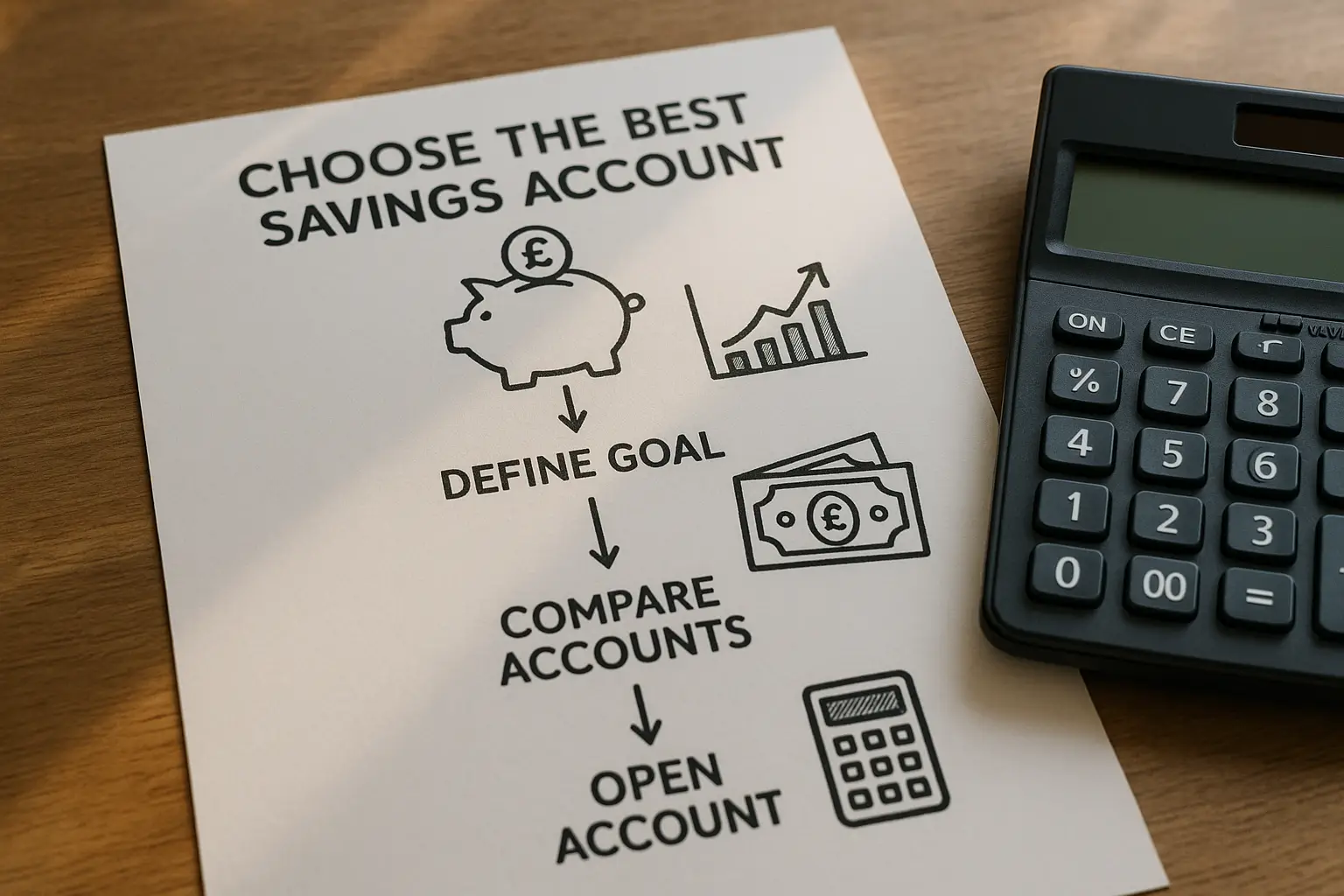
Steps to open an account
First, choose cash or stocks based on risk. Gather the child’s details (birth certificate, National Insurance if applicable) and your ID. Apply via a provider; it takes minutes online. For detailed steps, see HSBC’s Junior ISA explainer.
Provider selection tips
Look for FSCS protection, low fees, and good customer service. For investments, check fund choices and past performance. Avoid high charges that eat returns—resources like the Guardian’s 2025 Junior ISA rules guide offer practical advice.
Ongoing management for parents
Monitor via apps or statements; rebalance stocks annually. Contribute gifts from family to hit limits. If circumstances change, transfer providers easily without losing tax benefits.
To explore the best Junior ISA options tailored to your needs, check our pillar guide.
Frequently asked questions
How does a Junior ISA work?
A Junior ISA works by allowing tax-free contributions up to £9,000 yearly, invested or saved until age 18. Parents manage it, choosing how funds grow—safely in cash or potentially faster in stocks. At 18, the child accesses everything without tax, providing a secure financial boost; this structure encourages disciplined saving from birth.
Can I open a Junior ISA for my child?
Yes, if you have parental responsibility and the child is a UK resident under 18. Anyone can contribute, but only one parent applies initially. No income test applies, making it accessible for all families; eligibility details from GOV.UK confirm it’s straightforward for most UK parents.
What is the difference between cash and stocks Junior ISA?
A cash Junior ISA offers guaranteed interest with low risk, like a savings account, while stocks and shares involves investing in markets for higher potential returns but with value fluctuations. Cash suits short-term safety, stocks long-term growth; both are tax-free, but stocks require tolerance for volatility over 18 years.
When can my child access the money?
Your child can access the money at 18, when control transfers fully. Before then, withdrawals are restricted to protect long-term growth, except in rare cases like terminal illness. This rule ensures funds mature, but plan ahead—perhaps discuss inheritance tax perks as noted in OneFamily’s guides.
Is a Junior ISA tax-free?
Yes, a Junior ISA is completely tax-free on interest, dividends, and capital gains, shielding growth from HMRC. This contrasts with regular child accounts where parental gifts over £3,000 might trigger tax; the wrapper benefits all income levels, maximising every pound saved.
What is the maximum contribution to a Junior ISA?
The maximum contribution is £9,000 per tax year for 2024/25, covering both types combined. Exceeding this incurs penalties, so track carefully; unused allowance vanishes yearly. For strategies on hitting limits without risk, expert sites like Moneyfarm’s blog offer in-depth rules.
What are the risks of a Junior Stocks and Shares ISA?
Risks include market downturns causing temporary value drops, unlike cash’s stability; however, over 18 years, historical averages show positive growth. Diversify funds to mitigate, and remember capital isn’t guaranteed—suitable for patient investors. Compare to cash for balanced portfolios, per FCA guidelines.
In summary, a Junior ISA is an essential tool for UK parents to secure their child’s future tax-free. Start today by reviewing options and contributing regularly—small steps lead to big rewards. For more on alternatives, explore GOV.UK’s management guide.